Too Many Tourists: The Impact of Overtourism on Bali's Traffic in 2025
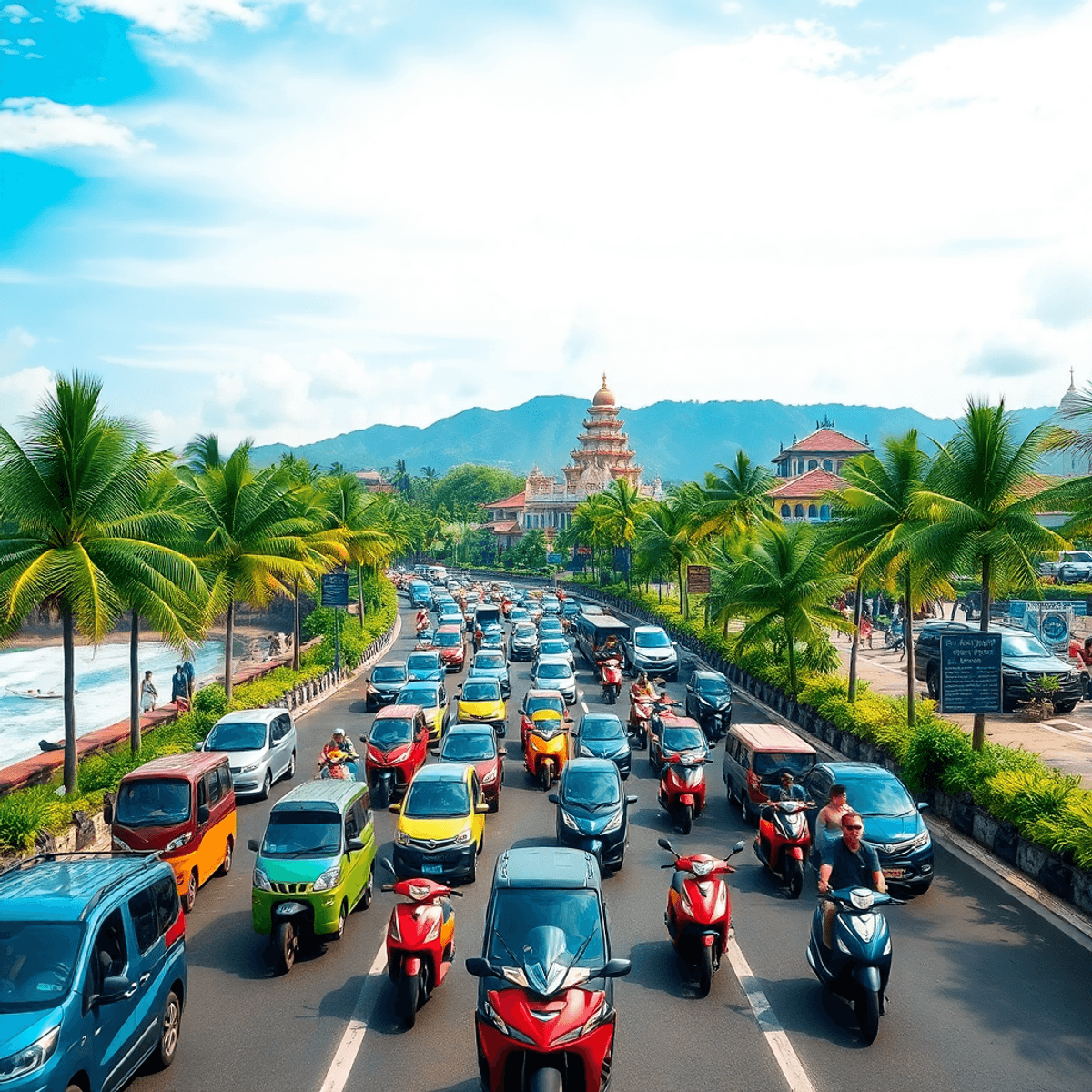
Bali is still one of the top travel spots in 2025. People from all over come here to see the beautiful beaches, enjoy the lively nightlife, and feel the rich culture. A lot of tourists visit Seminyak, Ubud, and Canggu. This helps many local shops and the people who live there make money. But so many visitors have created a big problem. Over tourism is now at a point that the problems it causes can no longer be overlooked.
Bali traffic 2025: Has the breaking point been reached? A big rise in people coming to Bali has made the traffic much worse now. The roads that used to be easy to use are full of cars. This is a big issue in Kerobokan and Denpasar. The heavy traffic does not just affect tourists. People living there also have longer rides to work and feel their daily life is not as good.
The huge number of visitors in Bali, along with not enough roads and services, show real tourism challenges that Bali must face. Handling this traffic problem is important to keep the island beautiful and not harm the land or people who live there. Fixing overtourism through good traffic solutions will help Bali stay a place people want to go. This can let Bali grow and still practice tourism the right way.
This situation gets more tricky because of climate change. It brings big worries for the environment. It also affects the housing market in Bali. When we look at the psychology of housing, we can see how these changes hit local people and their way of life.
Understanding this big issue is very important if you want to know why solving traffic problems is not only about making life easier. It is also about keeping Bali’s heart alive for people today and in the future.
The Current State of Traffic Congestion in Bali
Bali traffic in 2025 is very crowded, especially in places like Kerobokan, Canggu, Denpasar, and all over Badung Regency. The roads in these areas get stuck during busy times, and this causes big problems for both locals and visitors.
Traffic Issues in Key Areas
Kerobokan
Kerobokan traffic 2025 often comes to a stop on narrow roads. A mix of cars, motorbikes, and tourist vans crowd them. There is more building for shops and homes now. Because of this, roads and other services are under more pressure. They were not made to handle so many people or cars.
Canggu
Canggu gridlock 2025 often has long delays. The local commuter traffic and people coming in to visit the lively surfing spots and cafes both cause these jams. You can expect traffic to stretch out for several kilometers in the mornings and evenings.
Denpasar
In Denpasar congestion 2025, the island’s capital deals with slow traffic every day at major crossroads and main roads. More and more freight trucks make it harder, making it tough to keep traffic moving smoothly.
Badung Regency
The Badung Regency traffic 2025 situation shows the same crowding problems. This is seen most in places where many tourists go. There are also more illegal places to stay, but the roads have not been made better.
Statistics Confirming the Severity
There was about a 15% increase in the number of vehicles from 2024 to 2025.
Reports of traffic accidents went up a lot. There was a 20% rise in collisions compared to last year. This was partly because the roads are more crowded and drivers are less patient.
Factors Contributing to Congestion
There are more people coming to Bali between 2024 and 2025. You can see this on the roads, which keep getting busier. It takes more time for people to get where they need to go because there are a lot of cars and scooters. There are not many choices for public transport, so most visitors pick rental scooters or cars. This just makes the traffic worse.
People in the area say they feel upset about driving on streets that get crowded. These roads used to let them travel faster. Now it takes more time to get around. Stores and shops near these busy spots have trouble getting their stuff on time. Fire trucks and ambulances also find it hard to reach places fast when needed most.
Bali’s traffic problems show that there is a real need for better planning. This should look at the huge number of cars and the way local people and tourists move around.
Causes Behind the Traffic Overload Linked to Over tourism
The surge in tourist numbers has put a lot of stress on Bali’s roads. There are more people now, with many getting around in their own cars or renting one. This has made the traffic on Bali roads go up. Areas like Kerobokan, Canggu, and Denpasar have streets full of cars, scooters, and taxis trying to get by. The roads feel crowded not only because of tourists but also because of the services that support them.
Unregulated Transportation Options
Unregulated transportation makes the problem worse. A lot of tourists use unlicensed tour drivers. These drivers work outside official rules, do not follow traffic laws, and make the roads less safe. They often park anywhere and stop many times on busy roads. This makes traffic even more confusing and slows down everyone.
Illegal Accommodations
Too many people stay in places that do not have the needed permits. This increases the crowd in areas where too many people come to visit. Villas and guesthouses make things worse when the rules are not followed because the visitor numbers rise but the local roads and services cannot keep up. More people mean there, be more private cars parked on small streets. These cars block roads and make it hard to get around for people who live or work there. A lot of this problem comes from websites like Airbnb. They help this informal tourism accommodation sector grow even more.
Freight Vehicles
Freight vehicles are one big reason for traffic jams during the day. When these trucks move around at busy times, they block main roads. People who live in the area and those visiting both feel the effects. To help with this, the authorities have put rules in place. They do not let freight trucks use busy roads during the day. The ban is for the hours when road use is at its peak. By doing this, they try to make roads open for more people. But, it is not always easy to keep control because there are so many goods that need to be delivered.
Tourist Behavior
Tourist behavior is one part of why traffic gets worse. Many tourists do not know the rules people usually follow when driving in Bali. A lot of them make quick moves on the road or do not follow the signs. This can make more cars line up and sometimes cause crashes. When Bali has the highest number of tourists and rules for traffic are not clear, it all comes together and makes even more problems for traffic. Bali has to deal with this issue all the time now.
Government and Local Authorities’ Response to Traffic Challenges in Bali
Bali Governor I Wayan Koster’s plans for 2025 show a strong way to deal with the big traffic problems the island is facing. The start of the Traffic Jam Team is at the heart of these plans. This team works right alongside Bali Police and local leaders. They pay close attention to what is happening with traffic at the moment and work together to manage problems as they come up. Their goal is to keep cars moving better when the roads are busiest and make roads safer in the places that have the most trouble.
Several new ways to control traffic have come in to help people change their daily habits and take some stress off the Bali roads:
Changes to school and office start times: By setting different opening times, the people in charge want to spread out when cars are on the road. This helps cut down on traffic jams during the busiest hours.
Daytime freight vehicle ban: Not letting big trucks use the road when it is busy in the day makes traffic better. This gives more room on these roads for both local people and visitors.
These steps aim to give quick help to people while new building projects are still going on.
Plans for underground interchanges in Denpasar and Badung are meant to fix bad traffic spots that slow things down. These new underground intersections help make driving smoother by letting traffic flow over and under each other, not just on the same level. Building these interchanges is a smart way to meet Bali’s rising travel needs without making cities spread out even more.
People still wonder if Bali Traffic 2025 has really hit its worst level yet. The government's many actions show they see how bad the problem is and want to fix things before traffic jams hurt tourism and the lives of people who live there. The Traffic Jam Team stands for action right now, while changes to roads and other parts show the hope for better roads and traffic in the days to come under Governor Koster.
Infrastructure Developments Addressing Traffic Congestion Issues in Bali
Big construction projects are happening right now in Bali. The goal is to fix the growing traffic problems. These projects focus mostly on places such as Canggu, Denpasar, and Badung Regency.
1. West Gatsu Street Extension through Canggu
The new highway that now reaches West Gatsu Street will be important in 2025. This new road helps to make traffic better in Canggu by giving drivers another way to go that does not use the crowded main roads.
With more space and better roads linking north and south Canggu, the highway will help people avoid traffic jams during busy times.
The new highway means smoother trips for people who live in this area and for those visiting. Many people come here for the famous surfing and busy hotels.
2. Underground Interchange Projects
Plans include building interchanges under the roads at big trouble spots in Denpasar and Badung Regency. These will be built at places where there is always a lot of traffic and the roads cannot handle it.
By putting the different streams of traffic below the roads, these interchanges will cut down on traffic stopping and starting, which is what causes long waits now.
The designs also look at how to keep people walking safe and how to make it easy for people to get to shops and other business spots without getting in the way of cars.
3. Timeline and Impact
Work on the West Gatsu Street extension started early in 2025. The project will likely be done by late 2026. The quick progress shows there is a big need to deal with the traffic jams in the area.
The underground interchange jobs are being planned now. Building is set to start in the middle of 2025. Some parts will open through to 2028.
Together, these changes should help people travel faster. There will be fewer crashes since traffic will move more smoothly. Roads will be safer for everyone who lives there and those who visit.
These new upgrades to the roads and bridges show a strong move to help fix Bali’s long-standing traffic problems. They fit with bigger government plans to make travel better in the area and also support tourism that cares about the environment.
The Role of Illegal Businesses and Visa Abuse in Worsening Traffic Problems in Bali
The rise in tourism has brought a hidden economy that makes Bali's traffic worse. A key problem is illegal accommodations Bali 2025. There are over 400 travel businesses run by people from outside the country. These groups work without legal offices or correct registration. This is mostly true in Badung Regency. When these businesses are not checked, more and more people come to visit. This puts a lot of strain on the roads and the local ways things work.
Visa abuse is a big part of this problem. For example, there was a Nigerian person sent away after using a fake investor permit. This shows how using wrong visa documents can make it hard for rules to be followed. Some investors from outside try to find ways to get into Bali’s busy tourism spot fast, but they don’t follow the rules. This kind of presence means there are more people living in or visiting than numbers show. It makes places feel crowded and puts stress on things that the public uses like roads and services.
Authorities' Efforts to Address the Issue
To deal with these problems, authorities have worked harder to stop illegal actions:
Stricter checks on business permits aim to find and close tour operators that do not have a license and places to stay that should not be open.
Better watch on visa overstays keeps an eye on visitors who stay longer than they are allowed and often work or do business when they should not.
When immigration officials, local governments, and law enforcement work together, it helps enforce rules for people who do not follow them.
These actions are about following the law. They also help to manage sharp rises in how many people are in one place. This can make the roads less packed and stop traffic problems. Authorities want to stop rule-breakers and visa misuse tied to foreign investors involvement Bali 2025. Their goal is to fix problems with visitors and make traffic better in Bali’s busiest spots.
Waste Management Challenges and Traffic Congestion in Bali's Tourist Areas
Waste management is important for Bali and its future, especially because there are so many tourists now. Places like Kerobokan, Canggu, and Denpasar have a lot of traffic and also more trash problems every day. A lot of garbage piles up and fills the bins. There is also litter on the streets and near roads. This makes things dirty and not nice for the people who live there and for visitors.
How Traffic Congestion and Waste Mismanagement Are Connected
The connection between traffic jams and waste mismanagement is clear when we look at how pollution from garbage affects the spaces where people move and walk. When waste builds up near busy streets, it can block sidewalks. This makes the already tight roads even smaller. Traffic can get worse because of it. This problem touches people every day in their travels. It can make life feel harder in places that have lots of cars and people. Also, good waste management practices help with these problems and can make it better for everyone to get around.
Bali's Government Response: The "Waste-Free Bali" Program
To deal with these problems, Bali’s government has started the “Waste-Free Bali” program. This project, supported by Indonesia’s Ministry of Environment, wants to reach zero waste by 2027 by using many different steps, such as:
Good waste habits in public places like markets and tourist areas
Community programs to help people and shops use less plastic
Strong action on rules for single-use water bottles under 1 liter to fight plastic waste
The goal of this program is to help places look cleaner. It also aims to bring back nature in places where a lot of tourists go and the traffic gets really bad. A clean roadside and public area also help cars and people move better. This is because there are fewer things in the way.
The Importance of Waste Management in Addressing Bali's Traffic Crisis
When we think about if Bali has reached its limit with traffic problems in 2025, it is important to know that good waste management is key to fixing the issue. The way the environment is taken care of affects how people move around the island.
Enforcement Measures Targeting Tourist Behavior, Public Safety, and Traffic Management in Bali
Bali’s leaders have put in more rules for tourists in Bali 2025. This is because the people there want to feel safe and keep the island’s good name. In the first part of 2025, over 128 visitors from other countries were sent back home for things like misusing their permits or acting out and showing a lack of respect. These actions hope to stop behavior that hurts the local way of life and makes things harder for people living there.
A main part of these efforts is how the police and immigration services work together. This team has formed a group that focuses on watching out for “misbehaving tourists.” The group works in advance to spot people who break city laws or act against local customs. When there is a problem, they make sure action is taken fast. This way of doing things shows that community safety and public order are very important.
Enforcement is not just about punishment. Authorities also work to help visitors show respect for the local culture by:
Giving out learning materials about Balinese customs
Getting tour operators to join responsible tourism campaigns
Holding workshops where people from the community teach tourists about what behavior is okay
These projects help people understand each other better, both visitors and locals. When people act with respect, it helps sustainable tourism grow, as there are fewer problems and everyone has a better time.
Traffic gets better as a side benefit from these actions by the government. When they deal with tourists acting out because they use bad transport services or drive in unsafe ways, the number of problems goes down. This helps lower traffic jams and keeps roads safe for everyone. Making rules tougher for tourist vehicles works well with building better roads. Together, these steps help traffic move in a steadier way.
The mix of deportations, rules, and teamwork between agencies all show one thing. Bali wants to keep its own local feel. The area wants tourism to grow, but not if it hurts how people live or puts safety at risk.
The Broader Impact of Traffic Congestion on Tourism Appeal in Bali
Traffic jams in Bali are now a big problem and are making the place less popular as a top travel spot. Governor Koster has clearly warned about the chance that fewer tourists might come if the traffic is not fixed soon. This warning shows that there is worry people will get tired of the traffic every day. They might decide to visit other places instead.
Key effects of prolonged traffic jams on Bali’s tourism include:
Reduced Tourist Satisfaction: Tourists feel unhappy when they have to wait for hours in traffic. This takes away time from things they want to do like relaxing, sightseeing, or learning about the local culture.
Lower Repeat Visitation Rates: People who do not enjoy their visit because of traffic jams will not come back. They will also not tell others to go there. A lot of Bali’s tourism depends on people saying good things to their friends and family.
Strain on Tourism Infrastructure: Packed roads make things break down faster. That means there will be more times when repairs are needed, making it harder for travelers to get around.
Economic Ripple Effects: Slow travel times hurt how fast hotels, restaurants, and tours can help people. Because of this, work gets harder, and it is tough for businesses to make money.
Bali’s tourism industry needs easy movement to keep people coming. The impact of traffic on tourism appeal in Bali 2025 is more than just a hassle for people. It can hurt the island’s standing in the world. Solving these traffic jams is the key to keeping visitors happy. It also helps them want to stay for more time, and it backs up good growth for the future.
As Bali tries to keep development in check while still making sure people have a good life, the link between how traffic is managed and how the island handles tourism grows even more important.
Future Outlook for Sustainable Traffic Management Strategies in Balinese Tourism Contexts
Bali’s way of dealing with its traffic problems in 2025 uses several different plans. These plans focus on sustainable tourism solutions for traffic jam reduction Bali. The government has set out important steps. These steps look to keep the land healthy while also making travel easier and safer for everyone.
Planned Actions Include:
Ecology-focused policies: These policies focus on green projects. They aim to lower carbon emissions by getting people to use electric cars and other ways to travel.
Transport modernization: The city is growing its roadways like the West Gatsu Street extension. There will also be new roads underground to help ease traffic in busy areas.
Safety enhancements: The rules for drivers will be stricter. The city will make traffic move smoother by changing when schools and offices start. Trucks will have to stay off the road during busy times.
These plans are part of work that brings together many groups. There are local governments, police, and teams that care for the environment. In this way, the teams try to make sure that improvements to roads or other infrastructure work well. The police and other teams also try to stop people from breaking the law. The goal is to keep roads from getting even more crowded.
Investment in roads and buildings is still important. But there are calls for strong rules too, like strict regulation enforcement. If problems such as people driving tour cars without licenses and places to stay that don't have approval are not handled, these upgrades to infrastructure might not last. Unchecked numbers of tourists can make things worse.
The question Bali Traffic 2025: Has the Breaking Point Been Reached? is still there with us. Right now, things point to a plan where city development, care for the environment, and fixing how rules are made all come together. Success here will be tough if we don't keep things moving and get help from people in Bali and local businesses to practice travel that is better for our world.
This look ahead shows that Bali wants to change how it does tourism. The island is working to make life better for people living there and for those who visit. As more tourists come, Bali hopes to keep both locals and visitors happy for years to come.
Conclusion: Bali Traffic 2025 — Has the Breaking Point Been Reached?
Balancing tourism growth with sustainability goals is the biggest challenge for Bali in 2025. The island is very popular, and that brings money, jobs, and help for local businesses. But if growth is not kept in check, the island’s roads, nature, and people feel a lot of pressure.
You need to know that responsible tourism is not just a slogan and it is needed now more than ever. It asks people from many groups to join in and help.
Tourists: Always respect local customs. Follow the rules, and try to have less effect on the environment.
Businesses: Do things the right way, follow the law, and help with practices that let places stay healthy for years. Stay away from fast fixes that make places too crowded.
Government: Make sure laws are followed and put money into better roads and new ways to handle traffic.
Bali’s future needs a careful balance. The island must make sure that busy tourism does not hurt the people who live there or take away from its natural beauty. A lot of traffic shows a bigger problem. It lets us know a limit has been reached and needs our quick focus.
“Sustainable tourism is about creating a legacy that future generations can enjoy without compromise.”
This legacy starts with facing hard truths and being honest. It takes sticking to big plans that cover all parts of the problem. Bali can grow and be known as the top place to visit. But to do so, growth needs to go hand in hand with caring for the island. That way, the island stays a place where both people living there and those coming to visit feel at home.
FAQs (Frequently Asked Questions)
What is causing the severe traffic congestion in Bali in 2025?
The big traffic problem in Bali in 2025 is mostly because too many people are coming to visit. There are now way more cars on the roads. A lot of people are driving tourists around without proper checks. There are also more places to stay popping up that are not approved, so there are more people in small areas. At the same time, more trucks are on the road during the day, which makes things worse.
Which areas in Bali are the most affected by traffic jams in 2025?
The places in Bali that will have the most traffic jams in 2025 are Kerobokan, Canggu, Denpasar, and Badung Regency. These spots are well known for heavy traffic because many more tourists come here each year. The roads in these areas are not built to handle this many cars.
How are the Bali government and local authorities addressing the traffic challenges?
The government in Bali, along with the local leaders, have set up a Traffic Jam Team. The team works with the police to help stop traffic jams. They make new plans for traffic, including starting school and work at different times, stopping freight trucks from driving in the day, and planning new projects. Some of these projects are building underground road crossings in Denpasar and Badung. All these steps are to help cars get through busy areas more easily.
What role do illegal businesses and visa abuse play in Bali's traffic problems?
Unlicensed businesses keep growing in tourism. There are over 400 travel companies run by foreign owners, and these companies do not have legal offices. This leads to more tourists and makes traffic problems worse in the area. There are times when people use visas in the wrong way. Some have been thrown out for getting investor permits with fake paperwork. This makes it hard to enforce the rules and control big crowds. Also, it is tough for us to keep tourism running in a good way for all.
How does waste management relate to traffic congestion issues in Bali's tourism hotspots?
Waste mismanagement in places with too many visitors can be bad for the area around public spaces and roads. This makes traffic worse and can be unsafe for people who are out. The 'Waste-Free Bali' program wants to get rid of all waste by the year 2027. They plan to work with the community to help the environment and also make traffic better.
What is the future outlook for sustainable traffic management strategies in Bali?
The future plan is for the government to work together on several things. First, take care of the environment. Then, bring in better transport systems. Make travel safer too. They will keep building things like new highways and ramps. There will be stronger rules to stop too many visitors causing problems for the area. Support good tourism, so the place can grow but people who live there still feel happy.


Comments
Post a Comment