Interview with Dave, ADR truck driver: Transporting hazardous substances — practical guide
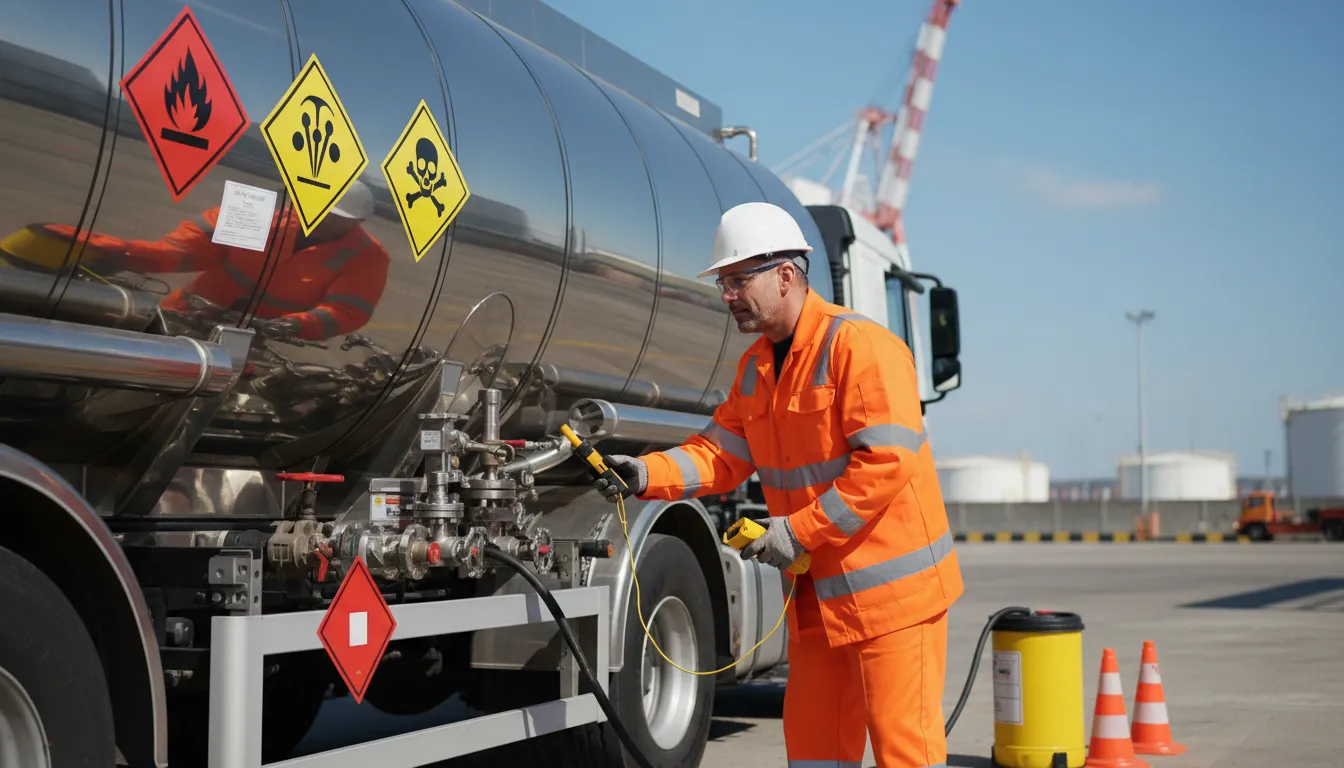
You won’t believe what happened when I transported cleaning supplies and liquid paint with an ADR logo!
Table of Contents
- Introduction
- Operational procedures and site routines
- Regulation, certification and training
- Handling incidents and emergency response
- Practical checklists and examples
- Pitfalls, common mistakes and how to avoid them
- Legal nuances and the difference between "empty" and "uncleaned"
- Best practices for fleet managers and logistics planners
- Summary and key takeaways
- Frequently asked questions
- Final practical checklist (one-page)
Introduction
Transporting hazardous substances requires more than experience behind the wheel. It combines regulatory knowledge, equipment checks, route planning, and calm decision-making when things do not go to plan. This interview-style guide answers the most practical questions drivers, fleet managers, and logistics planners ask about transporting hazardous substances safely and legally.
Who are you and why should readers care about transport of hazardous goods?
I'm an experienced ADR truck driver working regular runs to port terminals and industrial customers. Over years on the road I’ve learned common pitfalls, regulatory checkpoints and on-site routines that make transporting hazardous substances predictable rather than risky. This guide focuses on practical steps anyone responsible for dangerous goods should know.
What does the term "transporting hazardous substances" actually mean in day-to-day operations?
Transporting hazardous substances means moving materials that pose a risk to health, safety, property or the environment by road, rail, sea or air. In road transport this is commonly regulated by ADR (European Agreement concerning the International Carriage of Dangerous Goods by Road). Day-to-day that translates into:
- Correct classification and labeling of the goods.
- Proper vehicle and equipment approvals.
- Driver ADR certification and written instructions.
- Document checks, seals, and placarding during the trip.
When you follow those steps, transporting hazardous substances becomes a controlled, repeatable process.
What are the most common hazard classes drivers encounter when transporting hazardous substances?
Common classes include:
- Class 3: Flammable liquids (paints, solvents, some cleaning agents).
- Class 6: Toxic and infectious substances (some pesticides, industrial chemicals).
- Class 8: Corrosive substances (acids, alkalis).
- Class 9: Miscellaneous dangerous substances (some battery types, environmentally hazardous liquids).
Understanding the class affects vehicle signage, packaging and emergency measures when transporting hazardous substances.
What paperwork must accompany a load when transporting hazardous substances?
Essential documents include:
- Transport document or dangerous goods note (with UN number, proper shipping name, class, packing group).
- ADR certificate for the driver (valid qualification and type—e.g. basic/limited/ tank).
- Vehicle approval or ADR compliance certificate.
- Cleaning and wash certificates for tanks or containers when relevant.
- Seals, loading/unloading times and places recorded per company procedure.
Always keep originals accessible in the cab and copies where operations require. Missing or incomplete paperwork is the most common enforcement trigger when transporting hazardous substances.
How should a driver prepare before departure when transporting hazardous substances?
Preparation is a routine you should treat as critical checklist work. Key steps when transporting hazardous substances:
- Confirm documentation: verify UN number, shipping name, packing group and emergency instructions are present.
- Inspect signage: placards, ADR rear and side plates must be fitted and in good condition.
- Check vehicle kit: fire extinguisher(s), gloves, goggles, spill absorbents, shovel, warning triangle, first aid kit, and any special neutralizers required for the cargo.
- Confirm tank or container seals: check seals are intact and recorded.
- Vehicle systems: brakes, lights, twistlocks (for container runs), air suspension settings and tyre condition.
- Plan route and tunnel restrictions: verify permitted tunnels and roads for the load and prepare alternative routes.
Doing these checks every time reduces human error when transporting hazardous substances.
What safety equipment is mandatory or recommended when transporting hazardous substances?
Requirements vary by jurisdiction, but the common minimum items include:
- Fire extinguisher(s) rated for flammable liquids and electrical risks.
- Protective clothing: chemical-resistant gloves, goggles or face shield, and overalls.
- Spill control materials: absorbent pads or granules, drain covers, bags for contaminated waste.
- Emergency instructions and a written “Driver’s instructions in writing” booklet (often ADN/ADR appendix 8).
- Warning placards and removable orange plates for class ID and UN number display.
- Sealing and locking devices for tanks and containers.
Beyond mandatory kit, add items specific to the cargo: neutralizing agents for acids or bases, or additional breathing protection for toxic vapours. Prioritize items that allow safe containment and notification — not elaborate cleanup tools you cannot use safely.
Operational procedures and site routines
How does loading and unloading differ when transporting hazardous substances compared with general cargo?
Loading and unloading are tightened processes when transporting hazardous substances because of contamination risk, leak potential and emergency preparedness. Differences include:
- Pre-arrival notifications and slot booking at terminals are common.
- Inspection of containers/tanks for cleanliness and seals before loading/unloading.
- Strict use of designated ADR lanes and supervised areas with spill containment systems.
- Attachment of ADR plates and labels by the consignor or the loader if not already fitted.
- Personal protective equipment must be used when accessing manholes, valves or hoses.
- Verification of wash certificates when moving 'empty' but uncleaned tanks—these may remain classified until cleaned and certified.
Terminals often have dedicated staff for hazardous goods; liaise early and follow local rules strictly when transporting hazardous substances.
What is the right way to secure a container or tank before driving off a terminal?
Securing a container or tank combines mechanical locking and paperwork control:
- Twistlocks must be fully engaged and pinned where required for chassis and container types.
- Check and record container seals and ensure seal numbers match transport documents.
- Make sure load distribution and suspension setting prevent excessive sloshing—air suspension changes may be needed.
- Apply the correct placards and rear plates and ensure visibility.
- Confirm the destination and unloading slot on paperwork before leaving the site.
Small oversights like a loose twistlock or missing seal number commonly cause delays or enforcement stops when transporting hazardous substances.
How should drivers behave when entering a port terminal for hazardous loads?
Port terminals are secure, controlled environments with additional checks. When transporting hazardous substances:
- Arrive with all documents ready: transport note, cleaning certificates, seals and vehicle ADR certificate.
- Follow sign-in procedures and security screening; terminals often require fingerprinting or ID checks.
- Use only authorized ADR lanes and parking spots; keep a clear mobile path for cranes and handlers.
- Respect exclusion zones; remain in the cab only if permitted and keep a safe distance during crane operations.
- Report any spill or leak immediately to terminal staff and follow their containment protocol.
Terminals may run scans and inspections; being organised and visible with paperwork speeds the process when transporting hazardous substances.
Regulation, certification and training
What driver qualifications are required when transporting hazardous substances?
Drivers must hold a valid ADR certificate appropriate for the type of cargo. Common categories:
- ADR basic: for packages and general dangerous goods.
- ADR tank endorsement: specific to tanks and tank-containers.
- Special endorsements for explosives or radioactive material, if applicable.
Training includes classroom theory, hazard recognition, packaging and labelling, emergency response and a practical exam in some jurisdictions. Regular refresher training (every five years in many systems) is required to remain compliant when transporting hazardous substances.
What vehicle approvals and inspections are needed?
Vehicles used for transporting hazardous substances must meet ADR vehicle requirements. This often includes:
- Vehicle ADR compliance plate or certificate (periodic inspection similar to vehicle roadworthiness tests).
- Special fittings for tanks: secure valves, overfill protection and secondary containment where required.
- Proper placarding fixtures for orange plates, hazard labels and warning signage.
- Equipment storage for mandatory safety gear on board.
Check with your national authority for inspection intervals and documentation processes; lack of vehicle approval is a frequent cause of prohibitions when transporting hazardous substances.
How do international borders and language issues affect transporting hazardous substances?
Cross-border runs introduce additional layers: translations of documents, differing national restrictions and route limitations. Best practice:
- Carry transport documents in the language(s) required by the countries you traverse.
- Confirm permitted tunnels and roads for the cargo in every country on the route.
- Coordinate with carriers and terminals in advance to prevent rejected entries due to paperwork mismatch.
When transporting hazardous substances internationally, proactive communication and multilingual documentation prevent delays.
Handling incidents and emergency response
What should a driver do immediately in case of a spill or leak while transporting hazardous substances?
Immediate actions prioritize safety and notification:
- Stop the vehicle in a safe, ventilated area away from ignition sources where possible.
- Isolate the scene: warn other road users with triangles and hazard lights.
- Prevent escalation: if trained and equipped, use absorbents or close valves; otherwise, evacuate and keep clear.
- Notify emergency services and the consignor/receiver. Provide UN number, substance name and quantity transported.
- Follow the written emergency instructions and local terminal protocols when applicable.
Do not attempt containment beyond your training. When transporting hazardous substances, your primary duty is to reduce risk to people and environment, then to provide accurate information to responders.
How do "Driver’s instructions in writing" and emergency cards help?
Driver’s instructions contain tailored response actions for each hazard class and are mandatory under ADR. They include:
- Immediate actions and isolation distances.
- Firefighting measures and appropriate extinguishers to use or avoid.
- Personal protective equipment requirements.
- Emergency contact numbers and provisions for local responders.
Keep these instructions accessible and review them before each trip transporting hazardous substances. They allow you to relay precise, standard-compliant information to emergency services and supervisors.
Practical checklists and examples
Can you provide a practical pre-trip checklist when transporting hazardous substances?
Yes. Print this and use it before every departure:
- Documents: transport note, UN number, emergency instructions, cleaning certificates, ADR driver card, vehicle compliance certificate.
- Vehicle: lights, brakes, tyre pressure, suspension, weight distribution.
- Securing: container twistlocks engaged, tank valves closed and locked, seals recorded.
- Signage: front and rear plates, side placards and any special route signage fitted.
- Equipment: fire extinguisher(s), spill kit, protective clothing, spare seals, tools for locking mechanisms.
- Route: tunnels and restrictions checked; alternative route available.
- Communications: phone charged, dispatcher informed of ETAs and stops.
Using this checklist consistently reduces non-compliance and increases predictability when transporting hazardous substances.
What does a step-by-step unloading procedure look like at a customer site?
General unloading steps when transporting hazardous substances:
- Announce arrival and provide documentation to site contact.
- Park in the designated area and set wheel chocks if required.
- Check the receiving connection points and verify hoses, gaskets and fittings are compatible.
- Don PPE and follow any local isolation or lockout procedures.
- Open or connect hoses slowly to avoid pressure spikes—bleed lines as instructed.
- Monitor the transfer process for leaks, overfilling and unexpected reactions.
- Close valves, disconnect and cap lines, verify seals and fill out unloading confirmation documents.
- Remove and bag contaminated PPE where required and wash down following site protocol.
Always follow the consignor or receiver's written procedures and do not improvise when transporting hazardous substances.
Are there special considerations for partially filled tanks and sloshing?
Yes. Liquid movement (free surface effect) affects vehicle stability and braking. Practical measures:
- Prefer higher fill ratios when safe; keep vapour space management in mind for pressure-sensitive liquids.
- Use baffled tanks or compartments where possible to reduce slosh.
- Adjust suspension and drive smoothly: no harsh braking or sharp turns.
- Plan routes to avoid sudden grade changes and heavy congestion that force abrupt manoeuvres.
When transporting hazardous substances that are liquids, load planning directly affects road safety and compliance.
Pitfalls, common mistakes and how to avoid them
What are common mistakes companies make when transporting hazardous substances?
Frequent errors include:
- Incomplete or inaccurate documentation (wrong UN numbers or missing packing groups).
- Expired ADR driver qualification or vehicle approval certificates.
- Incorrect or missing placarding and hazard signs on the vehicle.
- Assuming an "empty" tank is no longer dangerous without a valid cleaning certificate.
- Poor communication with terminals and receivers leading to rejected entries or delays.
Prevent these by instituting standard operating procedures, pre-departure checks and regular training refreshers when transporting hazardous substances.
What mistakes do drivers make most often and how to correct them?
Driver-focused mistakes and fixes:
- Forgetting to apply or check seals — remedy: treat seal checks as mandatory; record seal numbers in transport notes.
- Not wearing required PPE at unloading — remedy: keep PPE accessible and insist on site rules before starting work.
- Misreading labels or mixing incompatible chemicals — remedy: always cross-check UN numbers and segregation rules.
- Failing to adjust driving style for liquid loads — remedy: brief on load behaviour and allow extra stopping distance.
Small discipline changes prevent large problems when transporting hazardous substances.
Legal nuances and the difference between "empty" and "uncleaned"
Why is an "empty" tank sometimes still considered hazardous?
An "empty" tank may retain residues, vapours or contaminants that still pose risk. Unless the tank has been cleaned and certified according to regulations, it is often classified as "empty but uncleaned" and retains the dangerous goods designation. This affects labelling, route permissions, and whether it can be parked in public places or pass through tunnels when transporting hazardous substances.
What paperwork proves a tank is safe to move after unloading?
Cleaning certificates or wash reports completed by an authorised facility are required. They should state:
- Type of cleaning performed.
- Date and time of cleaning.
- Signature and credentials of the facility.
- Any residual risk or additional precautions.
Keep these certificates with the transport documents when the vehicle continues its journey. Authorities often ask to see them when transporting hazardous substances.
Best practices for fleet managers and logistics planners
How should a transport operator set up procedures for transporting hazardous substances?
Recommended actions for operators:
- Create standard operational checklists and require sign-off before departure.
- Maintain a training schedule ensuring driver ADR certificates are current and refresher training logged.
- Implement vehicle maintenance and ADR inspections at set intervals and centralise documentation.
- Use route planning tools that incorporate tunnel and road restrictions for hazardous goods.
- Run regular emergency simulations with drivers and terminal partners to test response procedures.
Consistency and documentation remove ambiguity and reduce legal and operational risk when transporting hazardous substances.
Which technologies help manage compliance when transporting hazardous substances?
Useful technologies include:
- Telematics systems that log vehicle location, speed and maintenance reminders.
- Digital document management for ADR certificates, cleaning reports and transport notes.
- Route planning apps with ADR-specific restrictions integrated.
- Electronic seals and tamper-evident IoT sensors that alert if a container is opened.
These technologies reduce paperwork errors and provide audit trails when transporting hazardous substances.
Summary and key takeaways
Transporting hazardous substances demands disciplined preparation, correct equipment, up-to-date training and strict adherence to procedures. The most actionable takeaways:
- Use a pre-trip checklist every time and make no exceptions.
- Keep all documentation, seals and certificates easily accessible and verified before departure.
- Ensure driver ADR training and vehicle ADR approvals are current and logged.
- Plan routes with ADR restrictions in mind and coordinate with terminals in advance.
- Equip your vehicle with the correct safety kit and know when to invoke emergency procedures.
Master these elements and you will handle the operational complexity of transporting hazardous substances reliably and safely.
Frequently asked questions
How long is an ADR driver certificate valid?
ADR driver certificates typically require refresher training every five years, but check national guidance for precise timelines. Maintain records and plan refresher courses well before expiry to avoid non-compliance while transporting hazardous substances.
Do empty tanks still need placards when transporting hazardous substances?
If a tank is empty but uncleaned, it is still considered hazardous and must retain placards and orange plates until a valid cleaning certificate is issued. Always treat uncleaned tanks as live hazardous loads when transporting hazardous substances.
What do I do if I lose a seal during transit?
Report the loss to dispatch immediately, note the location and circumstances, and follow company and ADR incident protocols. Do not open the container unless authorised and trained. Lost or tampered seals must be recorded in transport documents when transporting hazardous substances.
Is ADR training the same for all hazardous classes?
Basic ADR training covers general rules for all classes, but additional modules are available or required for tanks, explosives, radioactive materials and other specialised cargo. Ensure the certificate covers the exact type of cargo you will be transporting hazardous substances.
Can I transit tunnels with hazardous loads?
Tunnel access depends on hazard class, packing group and local rules. Some tunnels prohibit certain classes or require convoy and speed restrictions. Always verify tunnel restrictions during route planning when transporting hazardous substances.
How should I dispose of contaminated PPE or absorbents after a spill?
Contaminated materials must be handled as hazardous waste. Follow the site’s waste management procedures and local regulations for collection, containment and disposal. Do not dispose of contaminated items in regular waste streams after transporting hazardous substances.
Final practical checklist (one-page)
Keep this one-page checklist in the cab when transporting hazardous substances:
- Documentation: transport note, UN number, driver ADR, vehicle ADR, cleaning certificates — all present.
- Seals: seal numbers recorded and match documents.
- PPE and kit: extinguisher, spill kit, gloves, goggles, absorbents, warning triangle.
- Vehicle: suspension, twistlocks, lights, tyres, weight distribution.
- Placarding: rear plate and side placards fitted and visible.
- Route: tunnel bans and restrictions checked; alternate route planned.
- Communications: dispatcher and receiver informed; emergency numbers saved.
Use this as a quick pre-departure stop-gap to reduce risk and delay when transporting hazardous substances.
Closing note
Transporting hazardous substances is a specialist activity that rewards discipline and preparation. Follow the steps and checklists outlined above, keep training and paperwork current, and build tight communication with terminals and customers. That combination will keep people, property and the environment safe—and keep your operation compliant and efficient.


Comments
Post a Comment